
Practical OT Cybersecurity
In modern industrial environments, insight is essential.
Production lines, energy systems, building-related systems, and process automation rely on a complex network of systems that continuously communicate with one another. Yet many organizations lack a complete overview of which assets are actually in place, how systems are interconnected, and what communication takes place between OT, IT, and external parties.
That’s exactly where OT cybersecurity begins.
Without insight, there can be no effective security
Many OT environments have grown organically over the years. New installations have been added, temporary connections have become permanent, and vendors have gained access to systems in various ways. In practice, this often results in the following:
Without up-to-date information, it is difficult to properly assess risks or implement targeted security measures.
OT monitoring makes this environment visible.
Passive monitoring without disrupting processes
In OT, continuity is always a top priority. Systems must not be disrupted by security measures or active scans. That is why OT monitoring is typically set up passively.
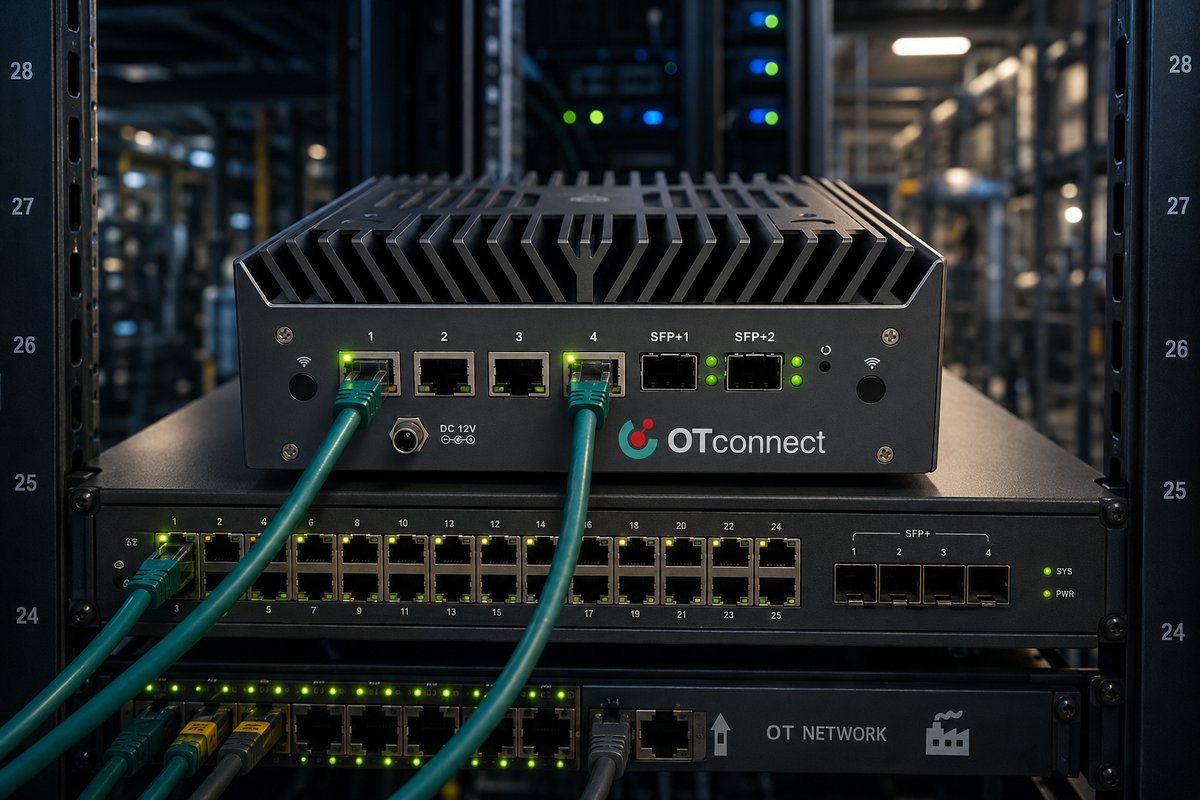
With passive monitoring, we analyze network traffic via mirror ports or network taps, without actively sending traffic to industrial devices. This ensures that the operational environment remains completely unaffected, even in environments with legacy systems or critical process automation.
Continuously analyzing network traffic provides insight into:
Based on this, a baseline of normal behavior is established. When anomalies occur—such as unfamiliar communications, new assets, or unexpected data flows—they become immediately apparent.
From Network Data to Actionable Insights
OT monitoring isn’t just about collecting network traffic; it’s primarily about translating data into insights and manageability.
By automatically detecting assets and providing insight into communications, an up-to-date overview of the OT environment is created. This helps organizations:
In addition, monitoring provides valuable input for standards and regulations such as IEC 62443 and NIS2, where demonstrable insight into assets, communications, and risks is becoming increasingly important.
Practical OT Cybersecurity
For many organizations, OT monitoring forms the foundation for further security improvements. It provides insight, highlights risks, and helps organizations gain control over their industrial environment.
Whether it’s taking the first step toward OT cybersecurity, providing support for NIS2, improving network segmentation, or continuously monitoring critical processes—OTconnect helps organizations with a practical approach that aligns with the realities of industrial environments.